
Introduction

https://crackpot.substack.com/t/incadinca retraces the footsteps of a conquistador named Pedro de Cieza de Leon as he traversed the legendary Inca highway through modern Peru, Bolivia and Chile as a spear carrier of conquest.
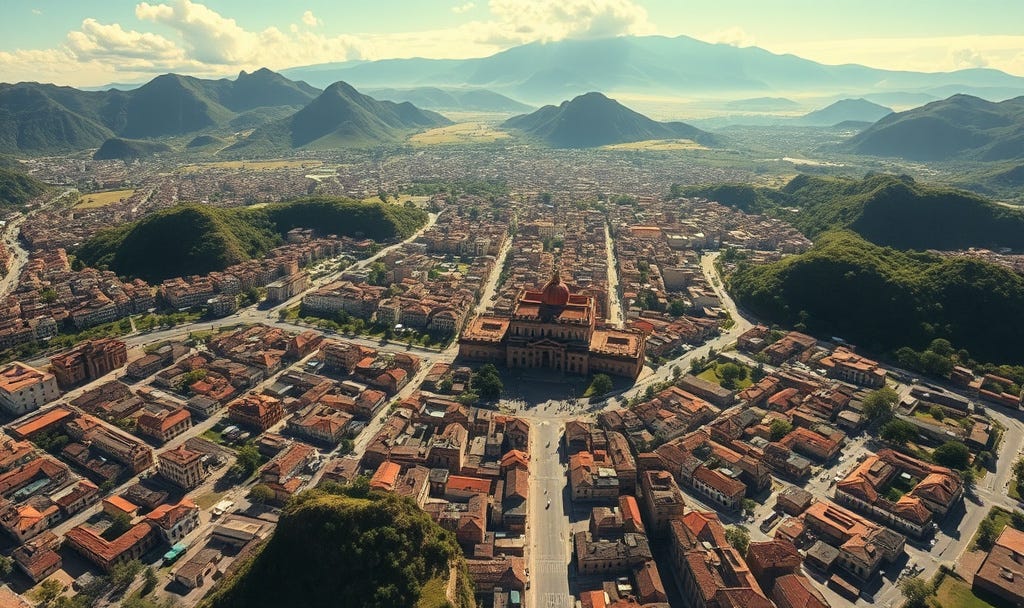
The city of Francisco de Quito … was situated on the site of old edifices, which the Inca built atop of. The city is situated on a small hollow plain set in like a bowl, whose rim is formed by high surrounding mountain peaks. The land looks sterile but is very fertile. Many livestock llamas flourish upon it, as do breadstuffs, fruits and fowl. It is like Spain in vegetation, climate and seasonal change. Large crop of wheat and barley are harvested. Grapes, orange and lime would grow well here, as any other products of Spain. The people here grow a lot of cotton and tend huge flocks of llama. They have deer, rabbits, partridges, turtledoves, pigeons and other game.
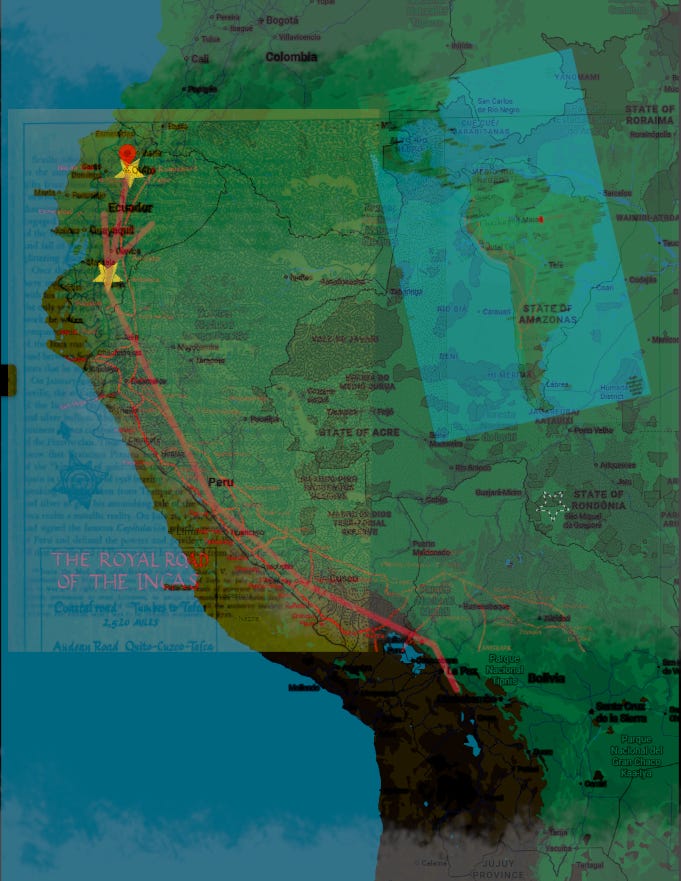
In the time of the Incas, there was a highway built by man, which left Quito and extended all the way to Cuzco, where another road as large and magnificent went on to Chile. On these highways every 3 or 4 leagues there were fine well-built lodgings for the Inca’s sentries. Like a long-distance baton race, runners would sprint between these stations, passing a message on to the next runner, to get word from provinces to the Inca in short time. - de Cieza de Leon pg. 44.
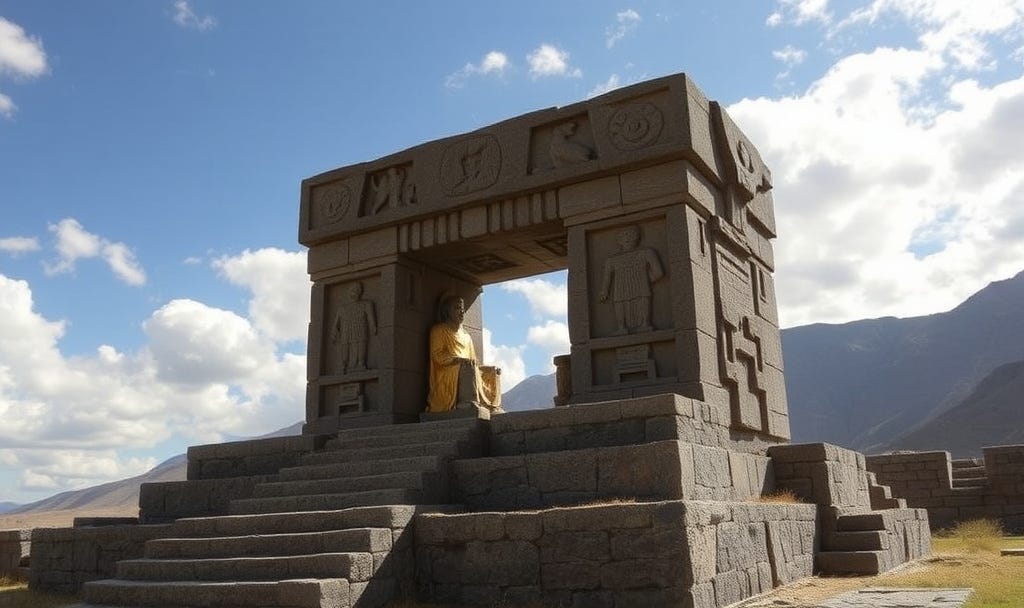
There was a shrine, all of a single large block of stone - eleven feet long - with two seats cut out for them. This stone used to be covered with gold. The stone throne sat atop the sun temple at Vilcas-huaman.
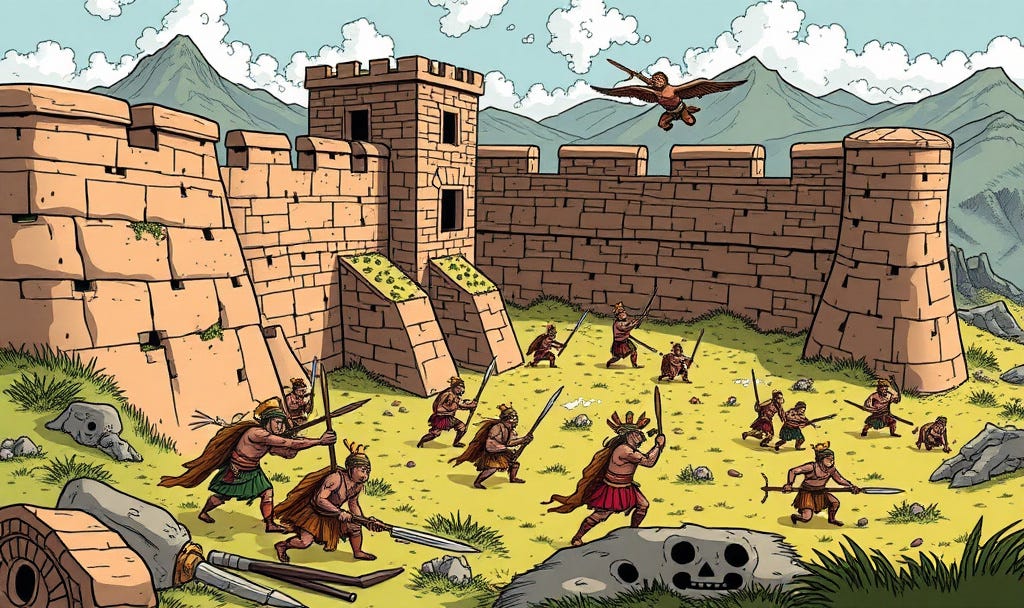
The Otavalo (who tricked their neighbors into fleeing their homes, then robbed them), Cayambe, Cochasqui, Pifo and other people north of Quito made an alliance to resist the Inca. The Inca came with his army to pacify or confront them. After the Inca failed to entice them with gifts, they fought a fierce war. The Inca warriors were soon obliged to retreat into a stone fortress they had built. After the attackers breached the walls, fierce fighting ensued through the encircling inner walls of the fortress defense. The Inca warriors soon seized the upper hand, won the pitched battle won and pacified their enemies through force of arms. The Inca built a sun temple in Quito, left a garrison, established settlers from outside the region to live there and governor.
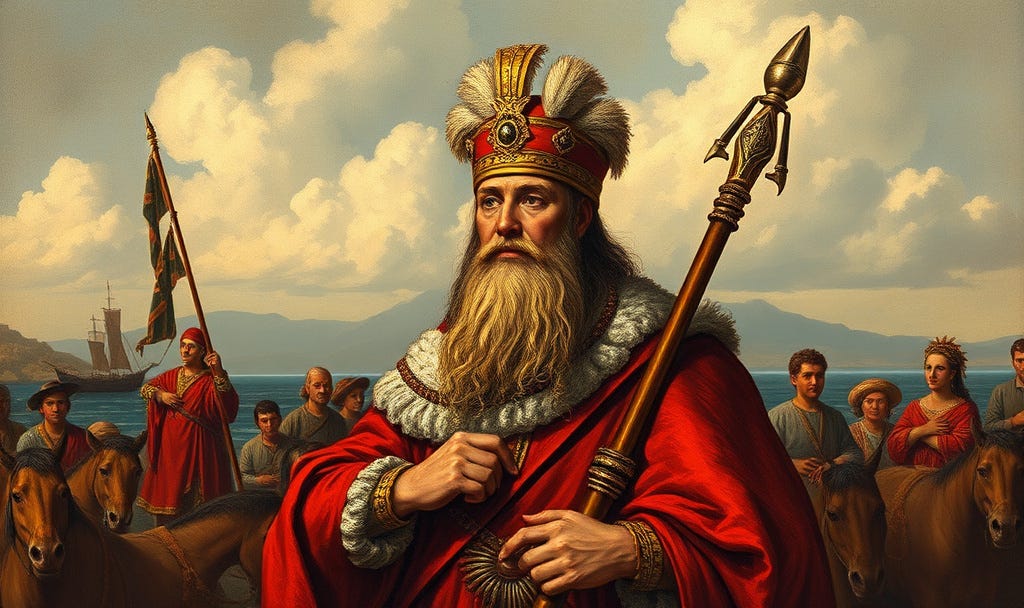
Francisco Pizarro with thirteen Spaniards were moving along the coast. Word of their arrival came to Inca Huayna Capac in Quito. He was told of their attire, their galleons, strange steeds, their beards and light skin. Curious to meet them, smallpox soon broke out. Huayna Capac caught the disease and died, leaving two sons and no declared heir to the throne.
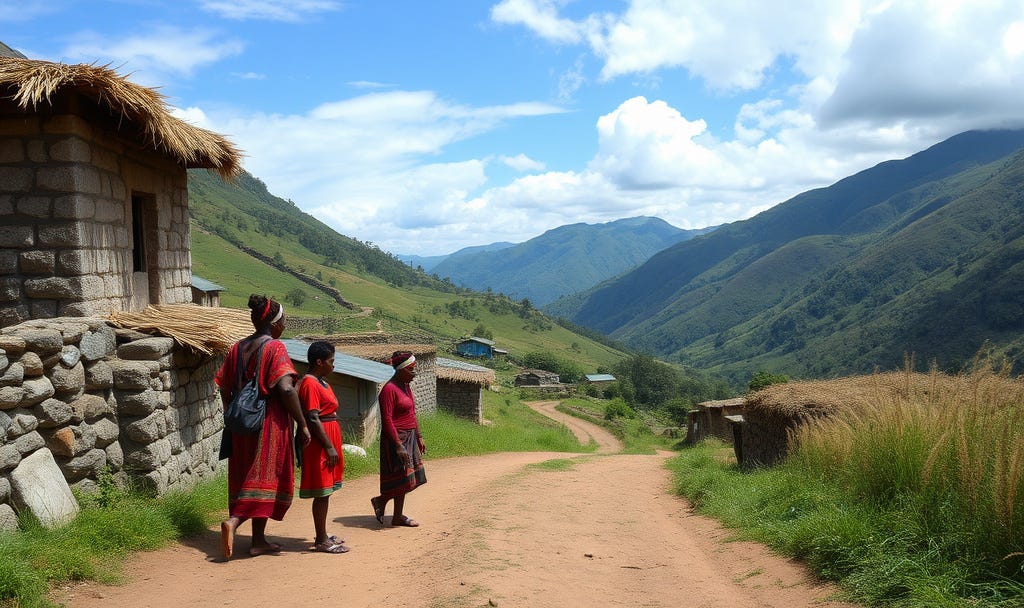
From Quito to the palaces of Tomebamba the route leads to Panzaleo next. The people here are different. They have their own language. They were shirts without sleeves or collar, with an opening at the side and for the head. The clothing is made of wool or cotton, if of fine quality and in perfectly woven colors. They wear sandals on their feet and headbands. The women wear dresses that run from neck to feet, with arms exposed. They cinch the waist with a woven belt and then wear another blanket over this from shoulders to feet. They fasten these with breeches and pins of silver and gold. The women also wear a band around their head. - pg. 54
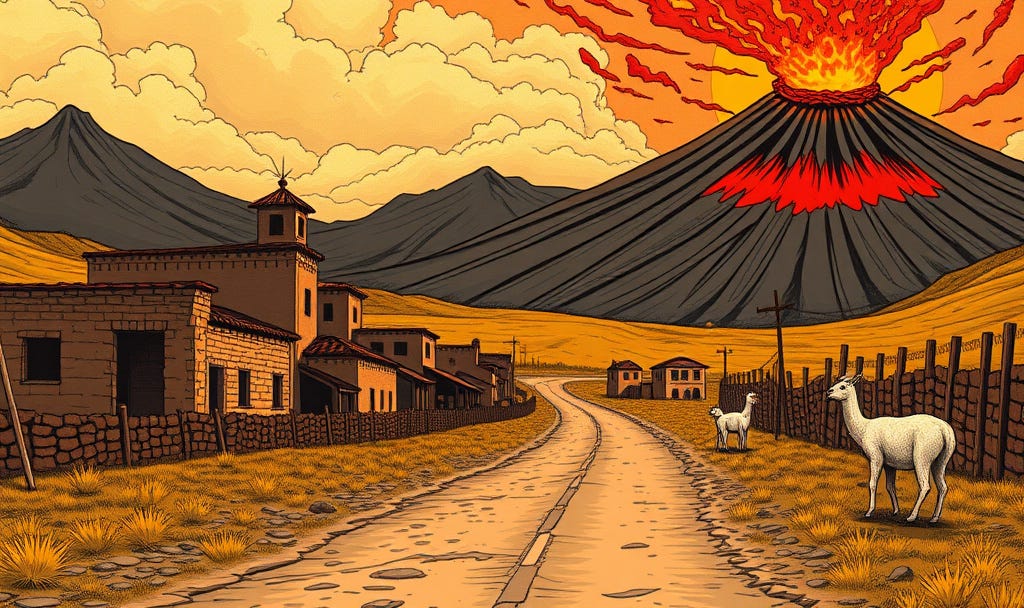
From there the road goes through Quixo. To the right of the village Mulahalo is the fiery crater of a volcano. Beyond Mulahalo is Tacunga, whose buildings are now in ruins, but still evoke grandeur. Golden llamas incrusted the walls.
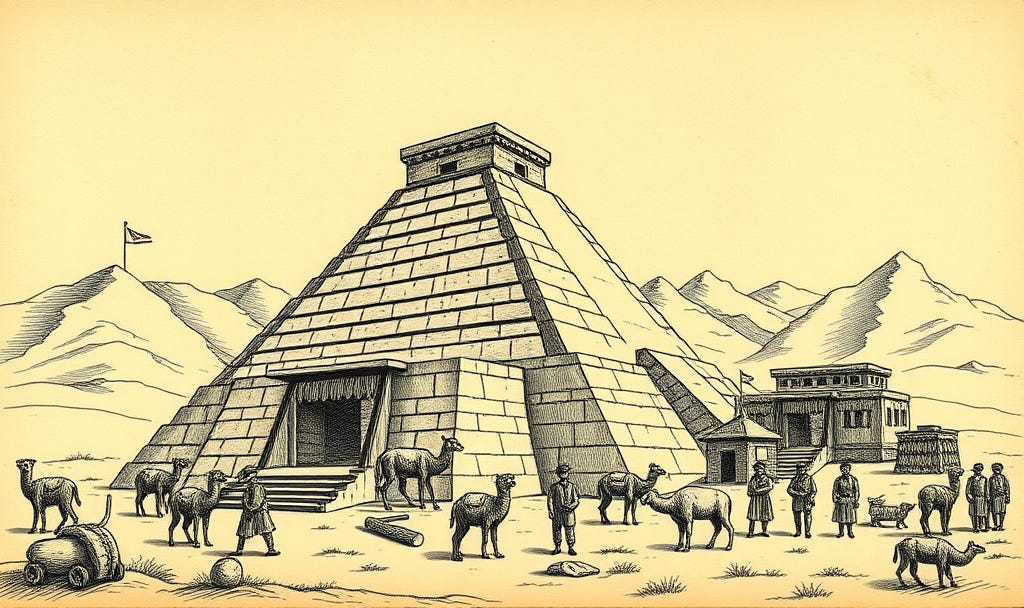
The Inca used a similar system as the Romans in Italy to build an empire. The Mitimaes were settlers brought to an area. The Inca would conquer land, build roads and bridges, then leave behind mitimaes to colonize as loyal subjects of the Inca. Mitimaes and natives feared one another. Mitimaes were llama herders, tailors, silversmiths, stonecutters, farmers, idol makers, or whatever task the Inca asked. pg. 60