
If you are far from the enemy, make him believe you are near. If you are near the enemy, make him believe you are far. - Sun Tzu
INTRODUCTION
In search of Mexican gold, the Conquistadors make land at Veracruz and begin their march inland.
The modern adaptations of Conquistador life as recorded by Bernal Diaz and Pedro de Cieza fall on https://crackpot.substack.com/t/incadinca
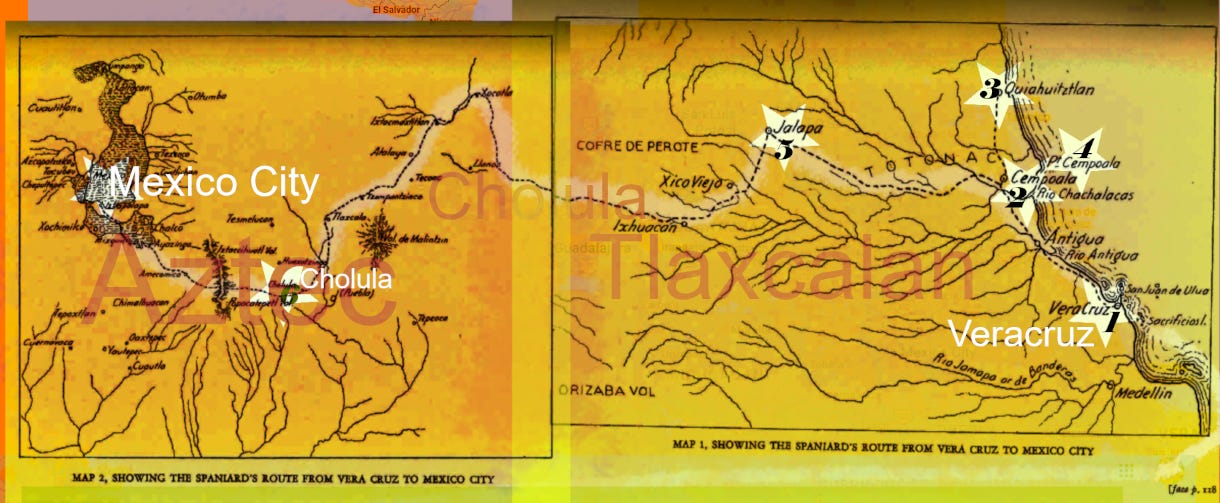
The Totonac peoples were with us. We returned to our settlement with chieftains from Cempoala. Then came Francisco de Saucedo from Cuba in a ship. At the same time a man named Luis Marin arrived with ten soldiers. They brought news from Diego Velasquez giving authority for settlement. We soldiers rejoiced and suggested to let the town we were building stand as it was, but it was better for us to go see Montezuma at once. We also decided to send His Majesty all the gold we bartered, presents from Montezuma. We all signed away our shares to this gold, so that there would be plenty enough to send to the King.
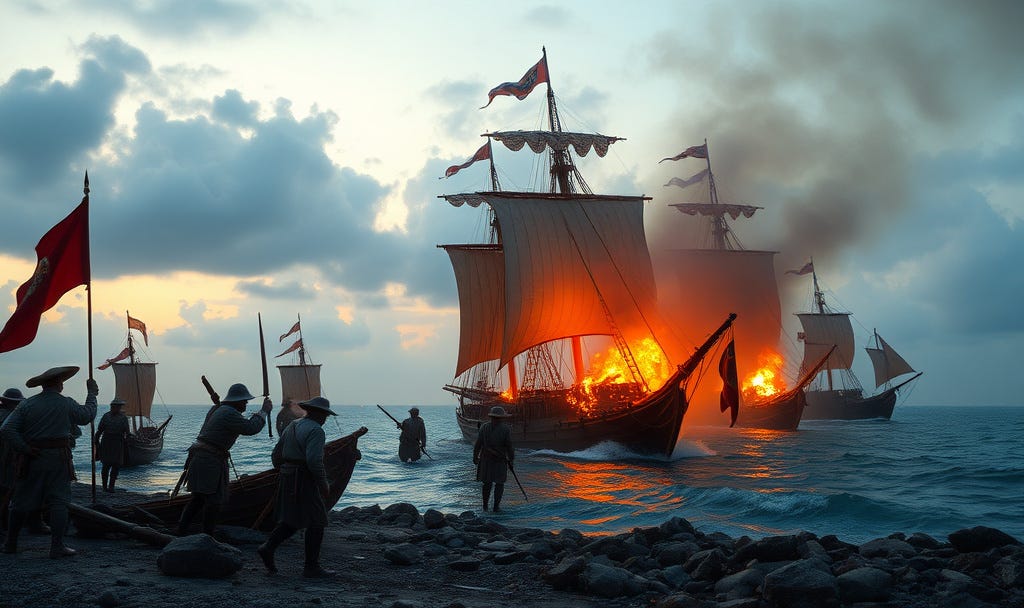
No sooner had we dispatched a ship with the Gold for Spain, the friends of Diego Velasquez named Pedro Escudero, Juan Cermeno, Gonzalo de Umbria, and a priest named Juan Diaz, the Penates sailors, determined to seize a ship and return to Cuba. They hoped to stop our ship of gold from reaching Spain. Cortes heard of this and had the rudder, sails and compass removed from their ship. The conspirators were arrested, confessed. Cortes sentenced the men to be hanged, lashed and punished. After the sentences were served, Cortes rode for Cempoala with speed.
There we talked to Cortes about destroying our ships at once. This would keep anyone from leaving again, and we would be better to have the sailors with us than in port. This was done after stripping everything from the ships. When the ships were destroyed, we made preparations to march onto Mexico City inland.
5 Jalapa
The chieftains of Cempoala told us what road to take, through Tlaxcalan, their allies and the Aztecs mortal enemies. We set out for a town called Jalapa. Then we continued on to a place called Socochima. Next we went through the town Xocotlan. We met many chiefs and raised crosses along the way. A cacique named Olintecle hosted us and told us of Mexico City.
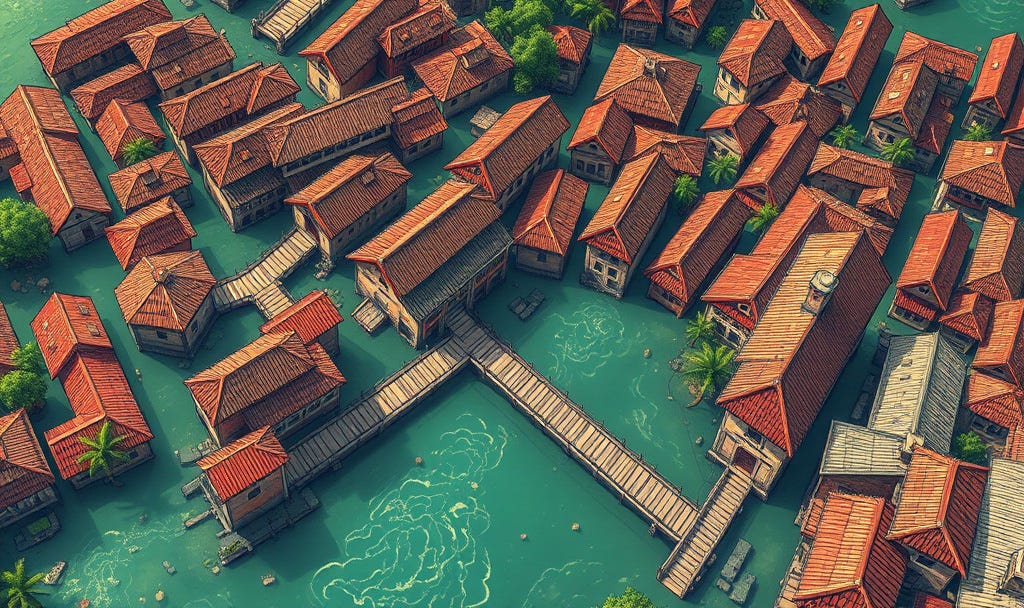
The houses are built in the water. One can only pass from house to house by bridge or canoe. The houses have flat roofs, which can be turned into fortresses. The city is entered by three causeways, each causeway having 4 or 5 openings through which water can flow and each opening a wooden bridge that can be raised so no one can enter Mexico City. Then Olinctele told us about Montezuma’s riches of jade, gold, silver, malachite and other treasures.
As we went along people came an inquired about our cannons, where we came from, and our measure. We were known as those who captured Montezuma’s tax-gathers and decreed that no more tribute should be paid. We were known as the ones who cast down the Idols of Cempoala and brought their own gods into the temple. We conquered the people of Tabasco and Champoton, and allied with Cingapacinga. The ones whom Montezuma sent gifts of gold and cloth. Townspeople brought us tribute and gold.
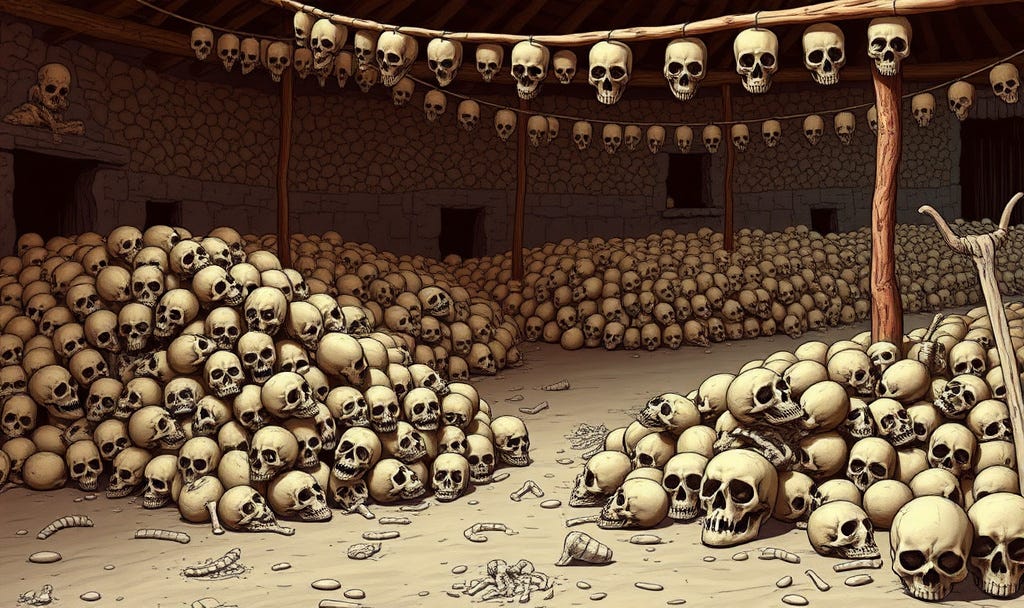
I remember in one Tlaxcalan plaza, there were piles of human skulls arranged so they could be counted. There were more than a hundred thousand. Another part of the plaza had pies of thigh bones. There were skulls strung between beams of woods.
6 Tlaxcala to Cholula
One day we asked Cacique Olinctecle which way to Mexico.
OLINCTECLE: Take the road to Cholula all the way down.
CEMPOALANS: Don’t go that way. Those people betray. Montezuma keeps a garrison in that town. Go thru Tlaxcala.
So we went that way and came to a town Xalacingo. From there we sent two Cempoala messengers ahead to Tlaxcala with a letter and a fluffy red hat. The Tlaxcalans seized them as prisoners. Cortes set us out the following day for Tlaxcala. We met our messengers on the road. They had been let out of prison and were in a state of terror. They heard from their captors the Tlaxcalans believed the conquistadors were sent by Montezuma to attack them.
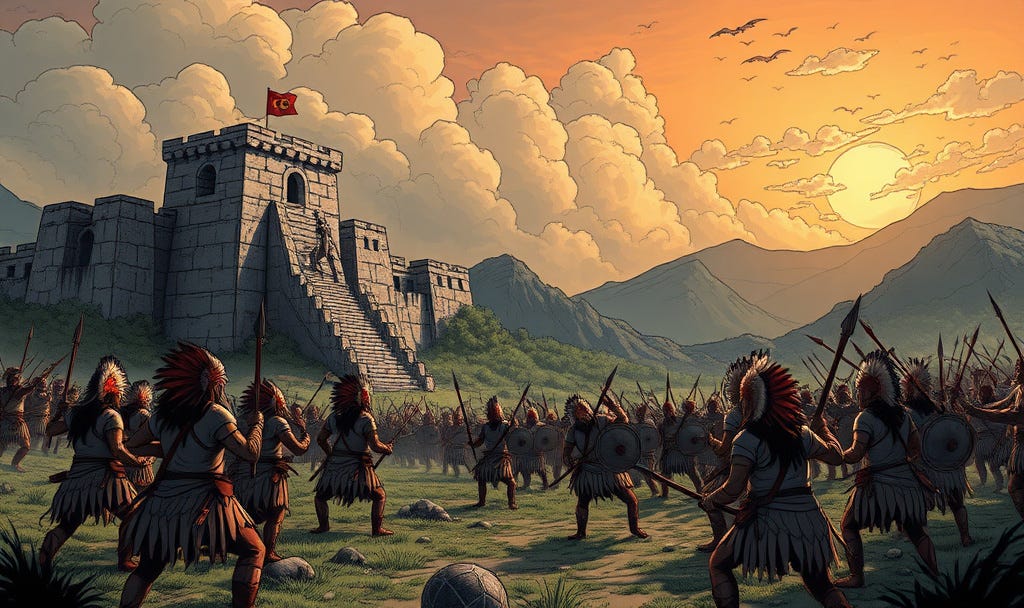
Cortes unfurled our banners and on we marched. Soon we came upon a stone fortress. Not far from there we conquistadors encountered 30 Indians warriors wearing feather head-dresses. Soon we saw a 3000 strong squadron waiting in ambush. The Tlaxcalan warriors fell upon on us with great fury, showering arrows on our horseman. Their fire hardened darts and two-handed obsidian edged macahuitls met our artillery, muskets and crossbows. The warriors gave way.
That night we slept near a stream and dined on dog the Indians breed. The next day we marched on to meet two armies of warriors. They numbered 6000 and came on with shouts and the din of drums and trumpets; they shot arrows and hurled darts. Cortes ordered a halt and sent forth three prisoners we captured the day before; to tell them we wished to treat them as brothers. This message of peace only increased their fury when it was received.
CAPTAIN HERNANDO CORTES: Santiago! At them!
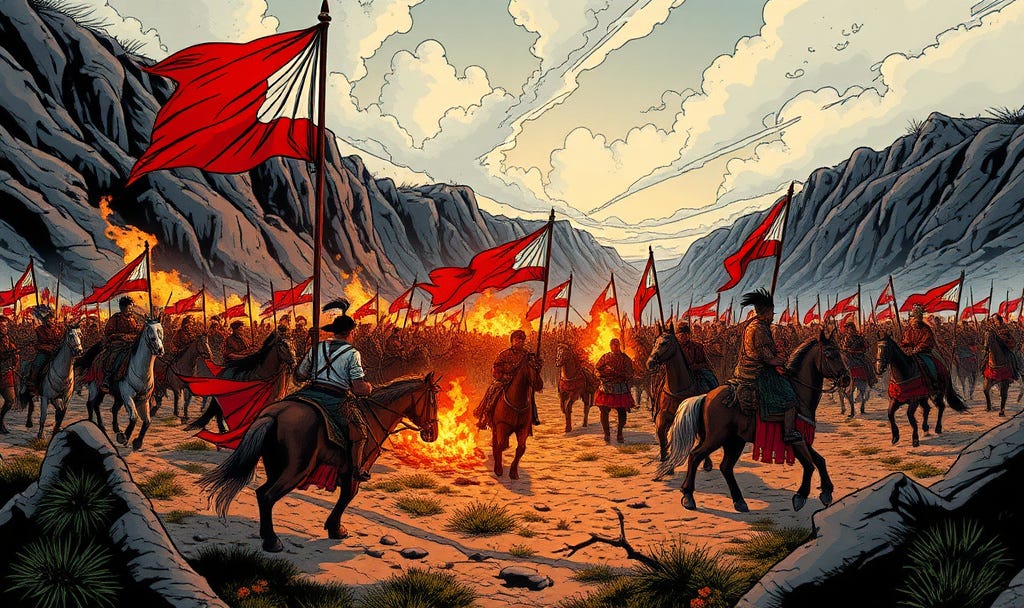
We fought back with fire. They began to retreat into some ravines, where 40,000 warriors under General Xicotenga lay in ambush, all wearing the red and white standard of Xicotenga. The ground was too broken for our horses to charge, but we made our way. Their archery, lances and broadswords hurt us, as did the hail of stones from their slings. When we reached level ground, we paid them back with our artillery and horseman. We slew many but dared not break formation as we were surrounded on all sides.
They attacked Pedro de Moron on his horse. As he charged, the warriors seized his lance and others hacked at him with their macahuitls. One slash severed his mare by the neck. After an hour of hard fighting the warriors withdrew. The following morning Cortes decided we should saddle up and scour the country, so the Tlaxcalans would not think we were licked by the last battle. So some of us set out that day. Meanwhile Cortes treated prisoners we captured well, giving them food and gifts, telling them we wished to make peace as brothers - and released them with the message.
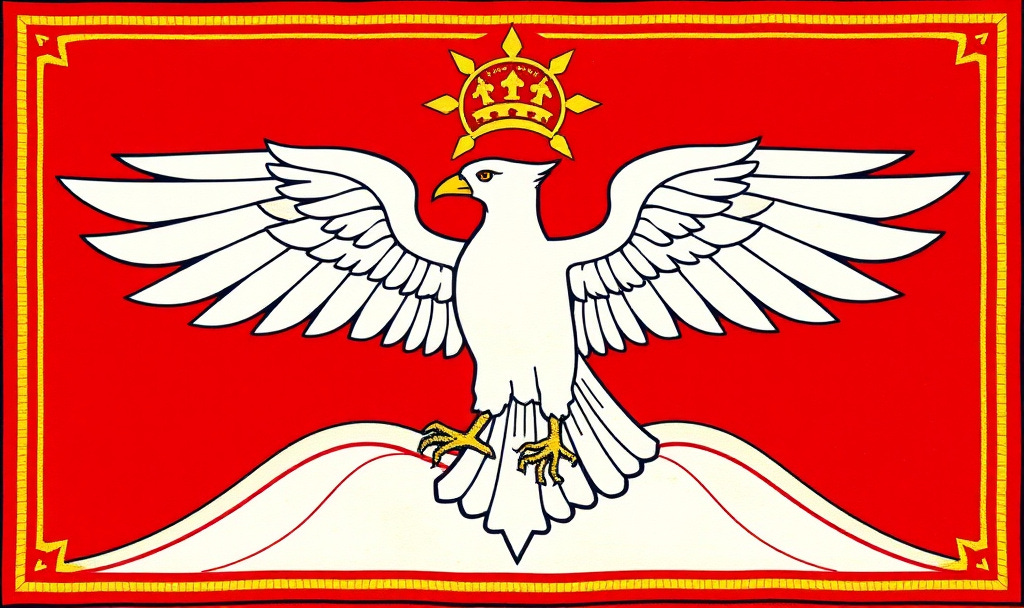
When word reached Xicotenga, Xicotenga replied that peace would be made when they were feasting on our flesh, offering our heart to their gods and giving their dogs our bones. Cortes flattered Xicotenga’s messengers with honeyed words and gifts. Then Cortes learned how many men Xicotenga had and who he was. He learned about the chief Mase Escasi. Chief Chichimecatecle. Tecapacaneca. Chief Guaxoban. All had 10,000 warriors under them. Their banner and standard was a white bird with wings outstretched.
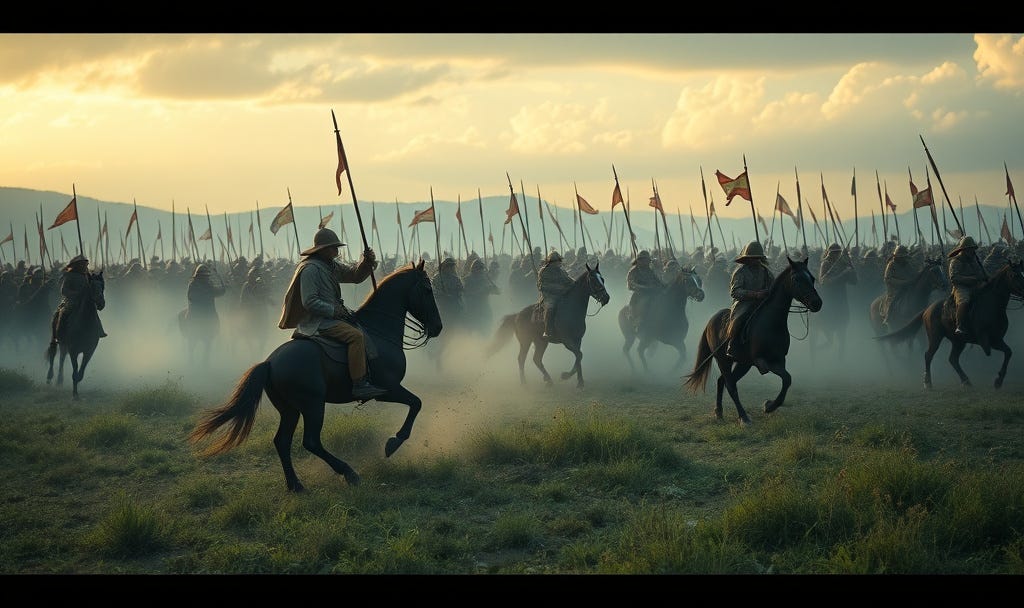
The next morning, we conquistadors mustered the horses and readied our arms, then set out from camp. The plain swarmed with Tlaxcalan warriors and we were 400 men. Some sick and wounded. They charged! A hail of stones sped from slings. Javelins lay like corn on the threshing floor. Men with macahuitls and shields and lances pressed on us with shouts and yells. The steady bearing of artillery and musketeers and crossbowmen was enough to keep them back. Those who closed met our sword play. The enemy were so packed in that our firearms could not miss. Soon they broke away. 1 soldier killed. 60 wounded, including all the horses. I took a stone to the head, and an arrow to the thigh. We returned to camp.
After this battle, Cortes again sent messengers begging for peace from the Tlaxcalans. The messengers arrived at Tlaxcala to find chiefs Mase Escasi and Xicotenga the elder in conference. They decided to make peace with us and summoned the other Caciques and captains to spread the word. They wanted to ally with us against the Aztecs. The younger Xicotenga who was a General did not want to make peace with us, but was overruled. So Xicotenga sent spies into our camp. Cortes entertained their presence for a day, then rounded them up and interrogated them. Cortes had their hands cut off and sent them back to Xicotenga with a message directing him to come himself at once or be punished. At that moment Xicotenga was breaking camp to attack the conquistadors when his spies returned with hands and thumbs cut off and told all that happened. From that moment Xicotenga lost his courage and will to fight.
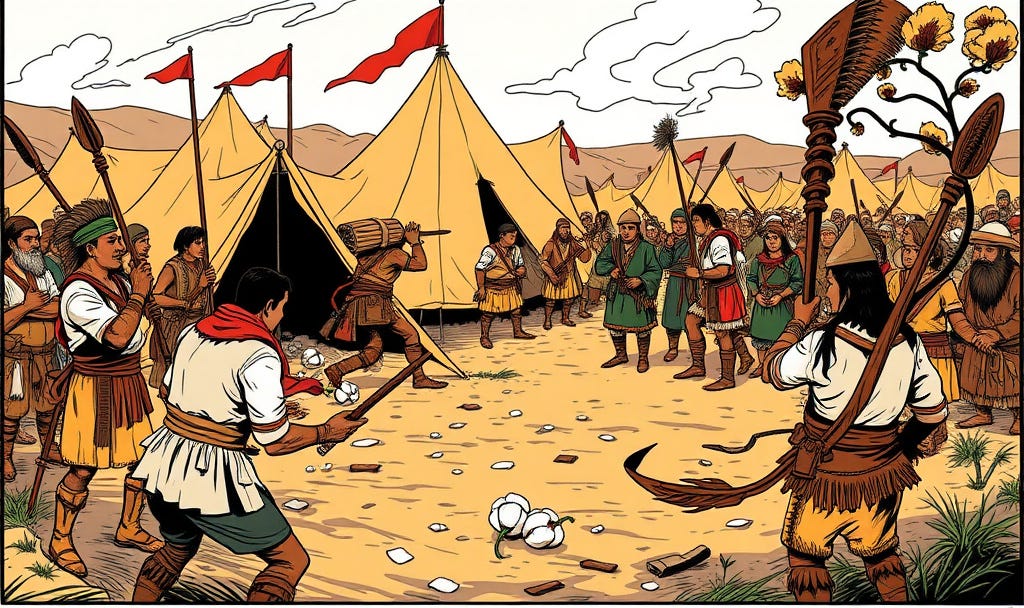
We were in camp polishing our arms and making arrows, mending armor and preparing for battle when our scouts came running into camp to report that many men and women with loads were coming from Tlaxcala to our camp. Soon the people arrived and presented their friendship to Cortes. They apologized for their attacks, explaining they believed we were a force for Montezuma.
Then Cortes spoke to them, pretending he was angry, saying there were reasons he should ignore them and reject their friendship. They had attacked us three times day and night. They spied on us. Then Cortez broke and told them to summon their chiefs at once, warning them to come by day, and sent them away with gifts.
Montezuma heard about our war with the Tlaxcalans and that they were suing for peace. Concerned, Montezuma sent 5 chieftains bearing gifts of gold and cotton. Montezuma offered to send tribute to our Emperor in gold, silver, cloth and chalchihuites, if we did not come to Mexico. You won’t like it, Montezuma said, the land is rough and sterile. Cortes decided to keep Montezuma’s ambassadors around.
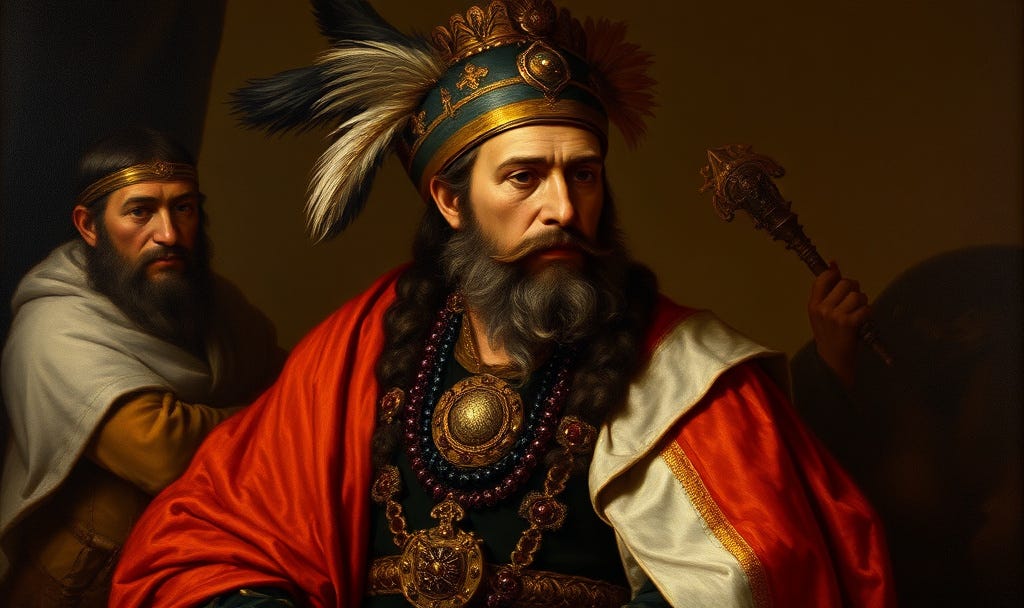
Just then messengers came to say the Captain Xicotenga arrived with his captains clothed in white and red cloaks. Xicotenga paid Cortes respect and Cortes embraced him in turn. Xicotenga begged pardon for making war and came to bring message of an alliance with all the forces. Xicotenga was tall, broad shouldered and well made. His face was long, pockmarked and coarse. Cortes thanked Xicotenga courteously and in a most flattering manner accepted them as vassals of the king and friends. Xicotenga invited Cortes to his city. Cortes demurred, explaining he was negotiating with Montezuma and would come after the messengers left. Montezuma’s ambassadors saw all this and were stricken.